Great Ocean Road Itinerary: 12 Stops from Melbourne to Warrnambool
7 min read
In this guide
- Watch our Great Ocean Road journey 📹
- Our route at a glance
- How many days do you need?
- 1. Aireys Inlet
- 2. Memorial Arch at Eastern View
- 3. Teddy’s Lookout
- 4. Erskine Falls
- 5. Great Otway National Park
- 6. Twelve Apostles
- 7. Baker’s Oven
- 8. Loch Ard Gorge
- 9. The Arch
- 10. London Bridge
- 11. The Grotto
- 12. Bay of Islands
- Finishing in Warrnambool
- Practical Great Ocean Road tips
- Is the Great Ocean Road worth it?
The Great Ocean Road is one of those journeys where the drive is every bit as memorable as the destination. Ocean lookouts, rainforest walks, waterfalls and dramatic limestone formations appear one after another as the road follows Victoria’s south-west coast.
We travelled from Melbourne to Warrnambool along the Great Ocean Road as part of a longer journey towards Adelaide. This itinerary follows the route featured in our video and brings together 12 places worth stopping for, from Aireys Inlet to the Bay of Islands.
You could cover the route quickly, but that would mean spending most of the day in the car. We recommend allowing at least two days, or three if you want time for walks, relaxed meals and unplanned stops.
Watch our Great Ocean Road journey 📹
Our route at a glance
- Aireys Inlet
- Memorial Arch at Eastern View
- Teddy’s Lookout
- Erskine Falls
- Great Otway National Park
- Twelve Apostles
- Baker’s Oven
- Loch Ard Gorge
- The Arch
- London Bridge
- The Grotto
- Bay of Islands
We finished the coastal section in Warrnambool, which makes a comfortable overnight base before returning inland or continuing west towards South Australia.
How many days do you need?
For a balanced trip, we would divide the journey like this:
Day 1: Melbourne to Lorne
Explore Aireys Inlet, stop at the Memorial Arch, take in the view from Teddy’s Lookout and visit Erskine Falls. Stay around Lorne or continue towards Apollo Bay if you prefer a longer first day.
Day 2: Lorne or Apollo Bay to Port Campbell
Drive through the Otways before reaching the Twelve Apostles and nearby Shipwreck Coast landmarks. Staying around Port Campbell gives you more flexibility to experience the coast in the softer evening or morning light.
Day 3: Port Campbell to Warrnambool
Continue west to The Arch, London Bridge, The Grotto and Bay of Islands before finishing in Warrnambool.
If you only have two days, combine Days 2 and 3—but start early and be selective about longer walks.
1. Aireys Inlet
Aireys Inlet is a relaxed coastal town and a lovely introduction to the Great Ocean Road. The area combines beaches, clifftop scenery and views around the well-known lighthouse precinct.
Rather than rushing through, take a short walk and enjoy your first proper view of the coastline. It also makes a convenient coffee or breakfast stop after leaving Melbourne.
Allow: 30–60 minutes, depending on your chosen walk.
2. Memorial Arch at Eastern View
The Memorial Arch is one of the classic Great Ocean Road photo stops. It commemorates the returned servicemen who constructed the road after the First World War and is an important reminder that this famous drive is also the world’s largest war memorial.
There is signed parking near the arch. This section can become busy, so use the designated parking area and be patient when crossing or photographing the site.
Allow: 15–20 minutes.
3. Teddy’s Lookout
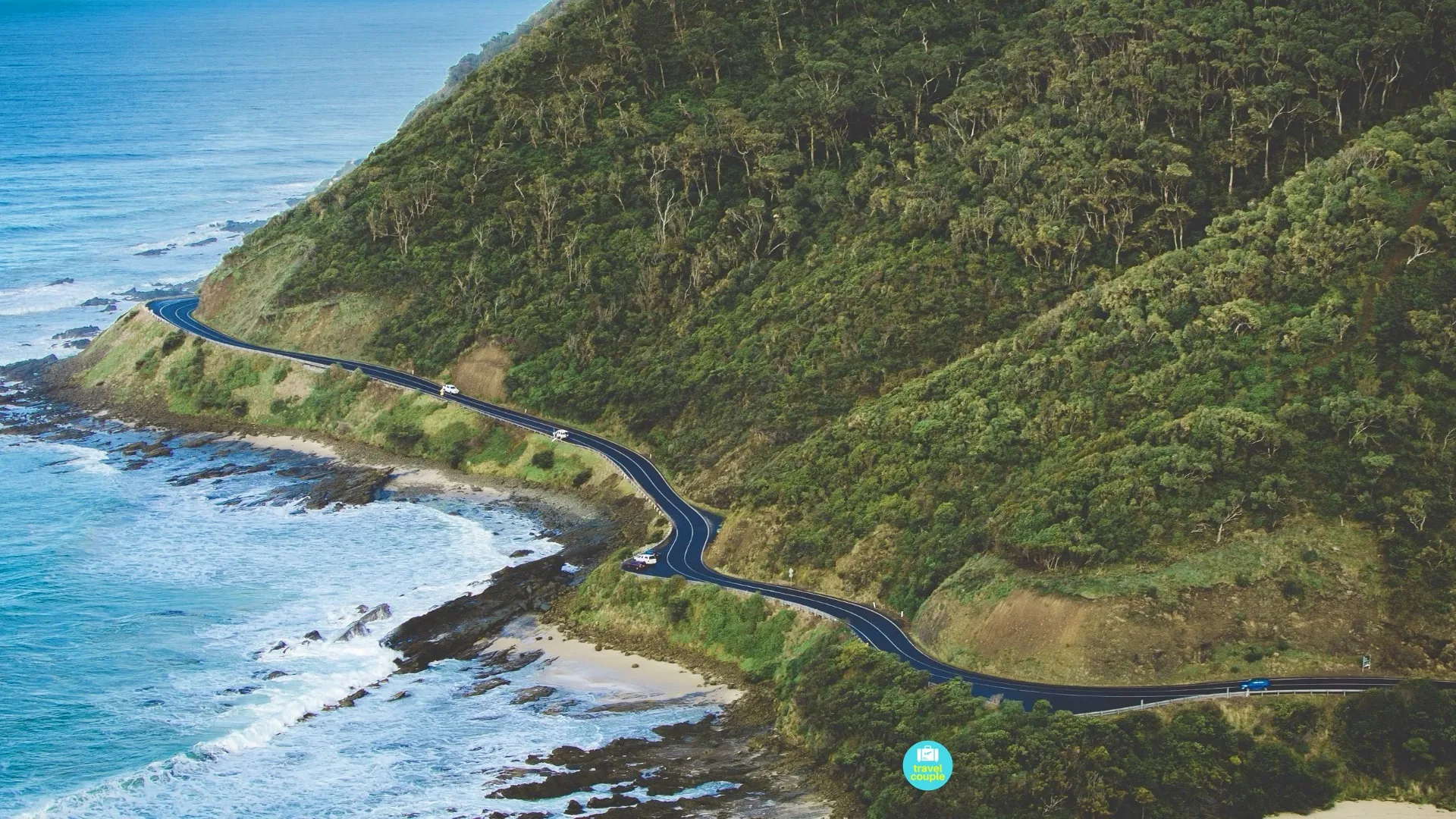
High above Lorne, Teddy’s Lookout offers a sweeping view of the Great Ocean Road bending around the forested coastline. It is one of the best places to appreciate how closely the road sits between the Otways and the Southern Ocean.
The main lookout is only a short walk from the parking area, making it an easy stop even on a busy itinerary.
Allow: 20–30 minutes.
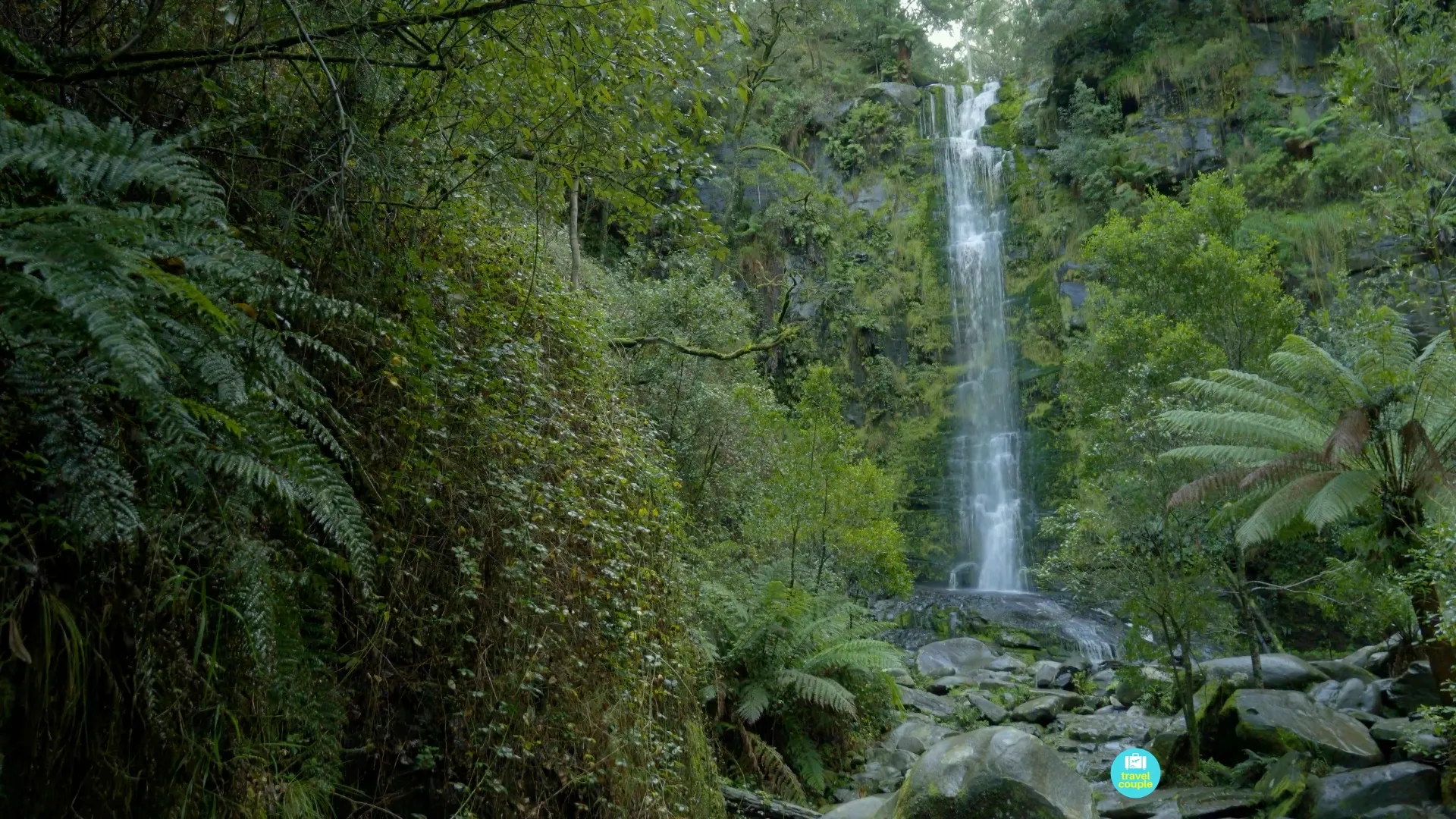
4. Erskine Falls
Erskine Falls brings a completely different atmosphere to the trip. A short drive inland from Lorne leads into cool forest and fern-filled scenery.
The upper viewpoint is the easiest way to see the waterfall. Reaching the lower viewpoint involves many steps, so wear suitable shoes and allow extra time for the climb back. Conditions can be slippery after rain.
Allow: 45–90 minutes.
5. Great Otway National Park
The Great Ocean Road is not only about coastal cliffs. The Otways add tall forest, winding roads, waterfalls and rainforest walks to the experience.
Choose a walk that suits your available time rather than trying to fit everything into one day. Even the drive through the forest is memorable, but slow down, watch for wildlife and be prepared for quickly changing weather.
Allow: At least one hour; considerably longer if you plan a dedicated walk.
6. Twelve Apostles
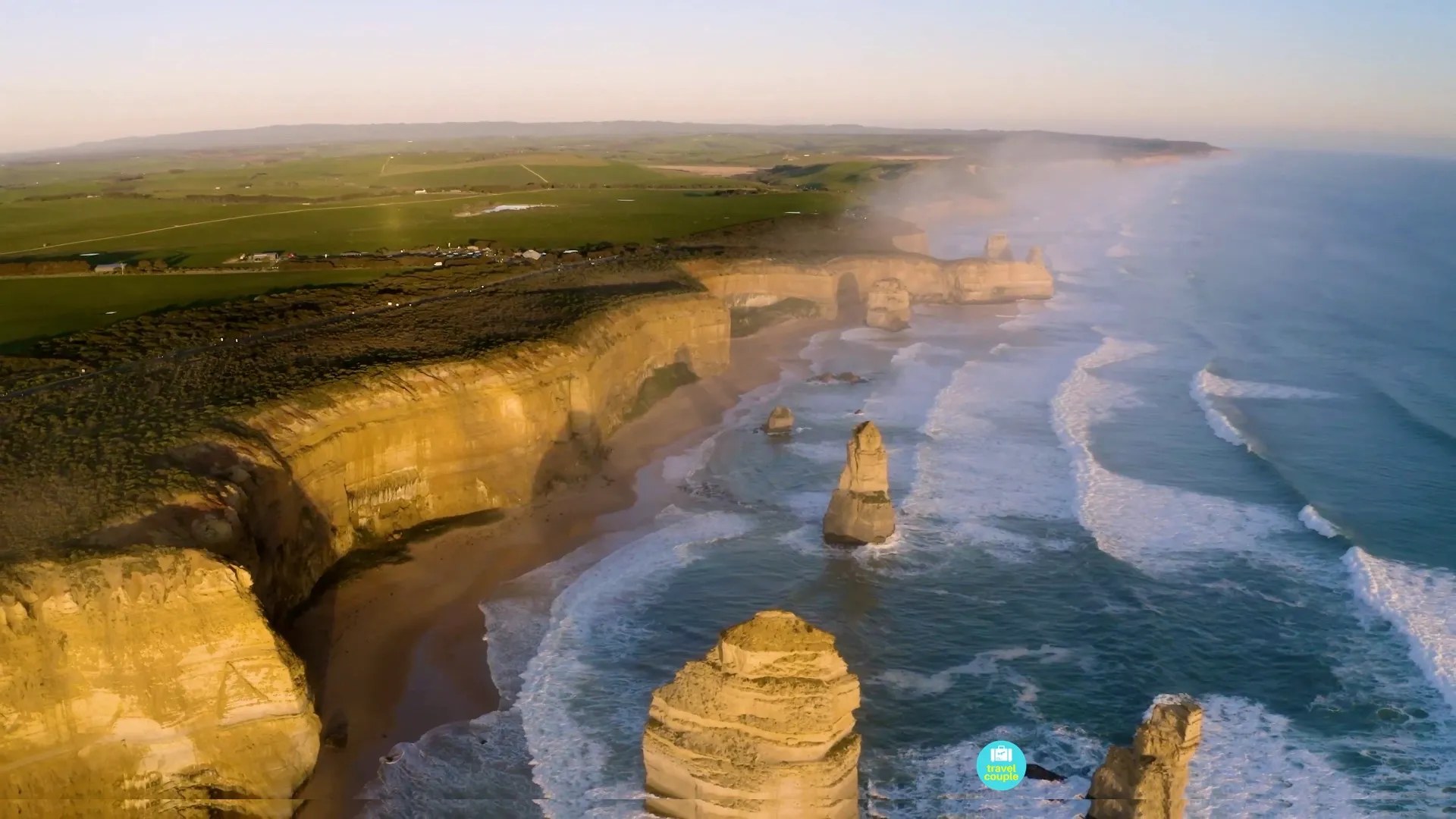
The Twelve Apostles are the most recognisable landmark on the route. The limestone stacks have been shaped by constant wind and waves, and the viewing platforms reveal the enormous scale of the cliffs and Southern Ocean.
This is usually one of the busiest stops. If your schedule allows, visit earlier in the morning or later in the day and leave enough time to walk between the main viewpoints without rushing.
Allow: 45–60 minutes.
7. Baker’s Oven
Baker’s Oven is a quieter coastal formation near the Port Campbell area. Its arched shape and exposed position provide another example of how the coastline is continually being reshaped.
It is easy to focus only on the famous locations, but smaller stops like this make the journey feel less like a checklist. Take a moment to enjoy the viewpoint and the sound of the ocean before continuing.
Allow: 15–20 minutes.
8. Loch Ard Gorge
Loch Ard Gorge combines spectacular scenery with the human history of the Shipwreck Coast. It was named after the Loch Ard, which was wrecked nearby in 1878.
There are several viewpoints and walking options in the precinct, so this stop can take much longer than expected. If time is limited, decide which lookouts matter most before setting out. Always follow current signs, as coastal access and tracks can change because of erosion or maintenance.
Allow: 45–90 minutes.
9. The Arch
The Arch is a natural limestone formation carved by the ocean. The viewing platform sits above the coast and gives you a close look at the force of the waves moving through the opening.
It is a relatively quick stop and pairs easily with London Bridge and The Grotto.
Allow: 15–20 minutes.
10. London Bridge
London Bridge was once connected to the mainland by two natural arches. One span collapsed in 1990, leaving the offshore formation visible today.
The lookout provides a broad view across the cliffs and is particularly dramatic when the ocean is rough. Stay behind barriers—the cliffs along this coast are unstable and conditions can change without warning.
Allow: 20–30 minutes.
11. The Grotto
The Grotto feels different from the larger clifftop viewpoints. Steps descend to a lower viewing area where a natural arch frames the ocean beyond.
It is one of our favourite compositions along this part of the coast, especially when the water is calm enough to reflect the surrounding rock. The stairs can be wet, so take your time.
Allow: 30–45 minutes.
12. Bay of Islands
The Bay of Islands is a fitting final coastal stop before Warrnambool. Limestone stacks rise from the water across a wide section of coastline, but the area often feels calmer than the Twelve Apostles precinct.
By this point in the drive it can be tempting to skip another lookout. We are glad we didn’t—the scale and spacing of the formations give the Bay of Islands its own character.
Allow: 30–45 minutes.
Finishing in Warrnambool
Warrnambool is a practical place to rest after a full day of coastal exploring. It has a wide choice of accommodation and food, and it works well as a base for discovering more of south-west Victoria.
From here, you can return to Melbourne using the faster inland route, spend more time around Warrnambool and Port Fairy, or continue west towards Mount Gambier and Adelaide as we did.
Practical Great Ocean Road tips
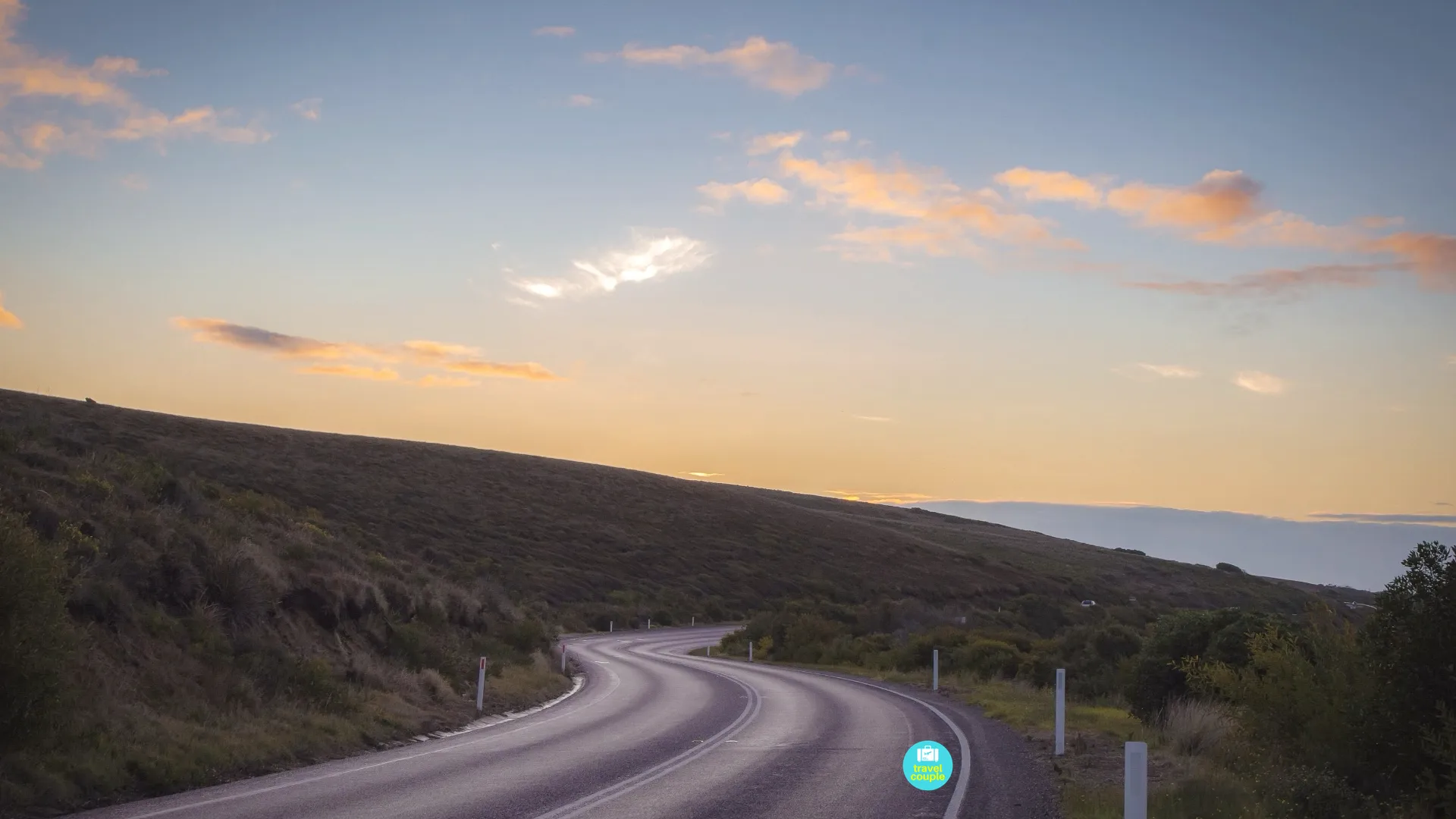
- Avoid treating it as a race. Distances can look short, but winding roads, viewpoints and walks add significant time.
- Drive from east to west if possible. Travelling from Melbourne places many coastal pull-offs on the ocean side of the road.
- Use designated parking areas. Never stop on blind corners or narrow road shoulders for a photograph.
- Pack for changing weather. Conditions can move from sunshine to wind and rain very quickly.
- Download offline maps. Mobile coverage can be inconsistent in forested and remote sections.
- Carry water and snacks. Food options become more spread out once you leave the main towns.
- Take regular breaks. The road demands concentration, particularly through winding coastal and forest sections.
- Watch for wildlife. Be especially cautious around dawn, dusk and forested areas.
- Check conditions before leaving. Review VicTraffic, VicEmergency and relevant Parks Victoria updates before your trip.
Is the Great Ocean Road worth it?
Absolutely. What makes the Great Ocean Road special is its variety. In a relatively short journey, the landscape changes from surf towns and open coastline to fern-filled forest, waterfalls and the towering formations of the Shipwreck Coast.
Our biggest advice is to give the journey enough time. The most memorable moments are often the unplanned ones—a quiet viewpoint, a change in weather or a stretch of road where the forest suddenly opens to the ocean.
If you enjoyed this itinerary, watch our full Great Ocean Road video and subscribe to Travel Couple SA for more Australian journeys.
This article reflects our personal trip. Access, weather and road conditions can change, so always check official advice before travelling.
Filed under